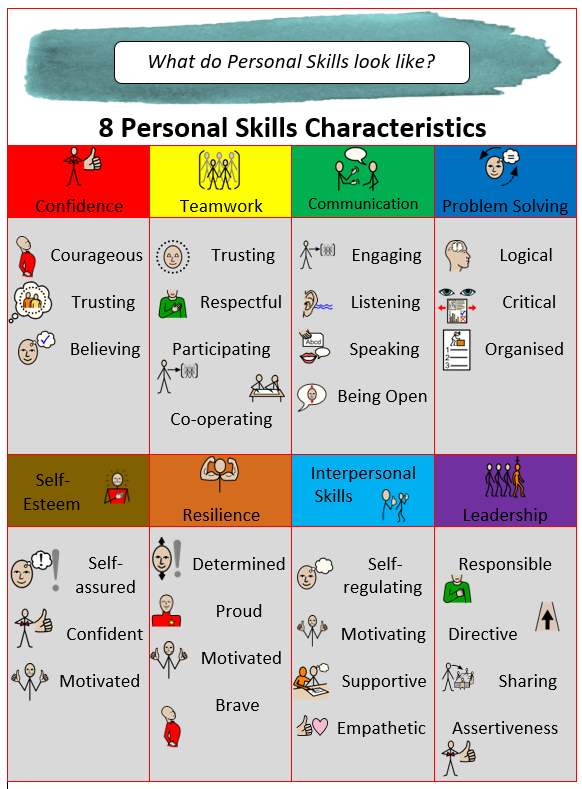
Our personal development program works on 8 key skills that we believe are vital tools to being successful in both school, home and the wider community.
We use off site enrichment, alongside school and class-based sessions to support the development of these life skills. We chose to run an off-site enrichment program as in these exciting environments children often feel more able to accept a higher level of challenge. These perceived ‘low threat’ environments provide opportunity for students to reflect on and bring these skills into other (school based) learning contexts.
The progress that children make in these areas supports the success of their reintegration back into mainstream or into their next setting.
Our Personal Development Curriculum comprises of Personal, Social, Health Education (PSHE) alongside enrichment trips, Forest School and team building activities. This is further enhanced by bespoke interventions based on individual and group needs.
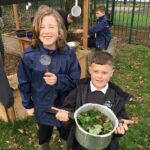
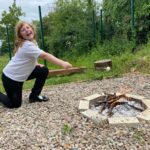
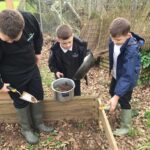
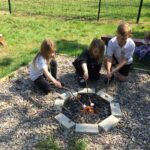
Forest School is a holistic approach to learning, incorporating children’s individuality and interests. There are many mental health benefits to the children spending time outside, and the sessions encourages children to become independent, use their imagination, take appropriate risks within boundaries and initiate learning for themselves. Forest School uses the natural environment to help students develop confidence and positive relationships with peers. All of these promote and develop the 8 personal skills.
We have prioritised key PSHE areas from the National Curriculum (NC) that are supportive for our pupils. Teachers are trained in all areas so that they can choose sensibly depending on stage of development of the pupils. We have deliberately chosen to include all the mental health and wellbeing content from the NC, supported by our Zones of Regulation lessons, Thrive and 1:1 interventions. Further National Curriculum PSHE areas covered are chosen to meet the needs of the individual and/or cohort.
| How to recognise and name different feelings. | What keeping healthy means; different ways to keep healthy. | Foods that support good health and the risks of eating too much sugar. | How physical activity helps us to stay healthy; and ways to be physically active every day. |
| Why sleep is important and different ways to rest and relax. | Simple hygiene routines that can stop germs from spreading. | Dental care and visiting the dentist; how to brush teeth correctly; food and drink that support dental care.
|
Different ways to learn and play; recognising the importance of knowing when to take a break from time online or TV. |
| Ways of sharing feelings; a range of words to describe feelings. | Different things they can do to manage big feelings, to help calm themselves down and/or change mood when they don’t feel good. | To identify the people who love and care for them and what they do to help them feel cared for. | Different types of family including those that may be different to their own. |
| That it is important to tell someone (such as their teacher) if something about their family makes them unhappy or worried. | How people make friends and what makes a good friendship. | How to recognise when they or someone else feels lonely and what to do. | Simple strategies to resolve arguments between friends positively. |
| That bodies and feelings can be hurt by words and actions; that people can say hurtful things online. | How people may feel if they experience hurtful behaviour or bullying. | To recognise that some things are private and the importance of respecting privacy; that parts of their body covered by underwear are private. | What rules are, why they are needed and why different rules are needed for different situations. |
| How people and other living things have different needs; about the responsibilities of caring for them. | Things they can do to help look after their environment.
|
The different roles and responsibilities people have in their community. |
| A varied vocabulary to talk about feelings; about how to express feelings in different ways.
|
Strategies to respond to feelings, including intense or conflicting feelings; how to manage and response to feelings appropriately and proportionately in different situations. | Problem solving strategies for dealing with emotions, challenges and change.
|
What constitutes a healthy diet; how to plan healthy meals; benefits to health and wellbeing of eating nutritionally rich foods; risks associated with not eating a healthy diet including obesity and tooth decay. |
| How sleep contributes to a healthy lifestyle; routines that support good quality sleep; the effects of lack of sleep on the body, feelings, behaviour and ability to learn. | That mental health is just like physical health, is part of daily life; the importance of taking care of mental health.
|
To recognise that feelings can change over time and range in intensity.
|
To identify personal strengths, skills, achievements, and interests and how these contribute to a sense of self-worth
|
| Strategies for keeping safe in the local environment or unfamiliar places (rail, water, road) and firework safety; safe use of digital devices when out and about. | How to respond and react in an emergency; how to identify situations that may require the emergency services; know how to contact them and what to say. | To recognise that there are laws surrounding the use of legal drugs and that some drugs are illegal to own, use and give to others.
|
About the risks and effects of legal drugs common to everyday life (e.g cigarettes, vapes, alcohol and medicines) and their impact on health. |
| To learn that there are different types of relationship. | About the importance of friendships; strategies for building positive friendships, how positive friendships support wellbeing. | That healthy friendships make people feel included. Recognise when others may feel lonely or excluded; strategies for how to include them. | That friendships have ups and down; strategies to resolve disputes and reconcile differences positively and safely. |
| To recognise and respect that there are different types of family structure and that families of all types can give family members love, security, and stability. | How to recognise if family relationships are making them feel unhappy or unsafe, and how to seek help or advice.
|
About the impact of bullying, including offline or online, and the consequences of hurtful behaviour.
|
About privacy and personal boundaries, what is appropriate in friendships and wider relationships (including online).
|
| Recognise different types of physical contact; what is acceptable and unacceptable; strategies to respond to unwanted physical contact. | How to recognise pressure from others to do something unsafe or that makes them feel uncomfortable and strategies for managing this.
|
That personal behaviour can affect other people; to recognise and model respectful behaviour online.
|
About respecting the differences and similarities between people and recognising what they have in common with others
|
| Ways of carrying out shared responsibilities for protecting the environment in school and at home; how everyday choices can affect the environment (e.g. reducing, reusing, recycling) | About the different groups that make up their community; what living in a community means.
|
about diversity. What it means; the benefits of living in a diverse community; about valuing diversity within communities.
|
About prejudice; how to recognise behaviours/actions which discriminate against others; ways of responding to it if witnessed or experienced.
|
| recognise ways in which the internet and social media can be used both positively and negatively.
|
recognise things that are appropriate to share on the internet and things that aren’t; rules around distribution of images. | to recognise positive things about themselves and their achievements; set goals to help achieve personal outcomes. |
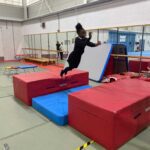
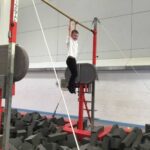
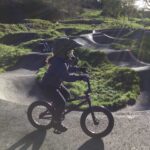
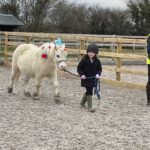
The regular enrichment sessions, (which include swimming, climbing, parkour, BMX, Horseworld), support the progressive development of the 8 skills. Enrichments are chosen depending on the interests and needs of each class. Each of the sessions have specific targets that are focussed on, with reflections to support further progress.
We implement the curriculum as planned with each cohort but also leave space for responsive or reactive/safeguarding curriculum content as appropriate for the students – for example, work on racist and homophobic language.
We use self and teacher assessment to measure progress towards the objectives and the aims of the programme. Each student has a weekly 1:1 time with their teacher to reflect on the strengthening of the 8 skills.
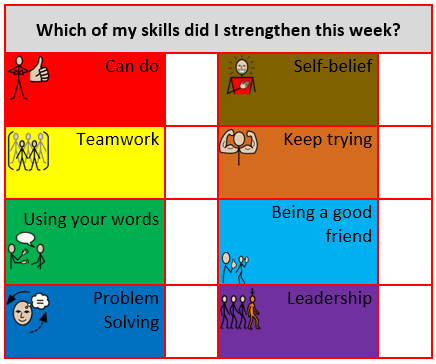
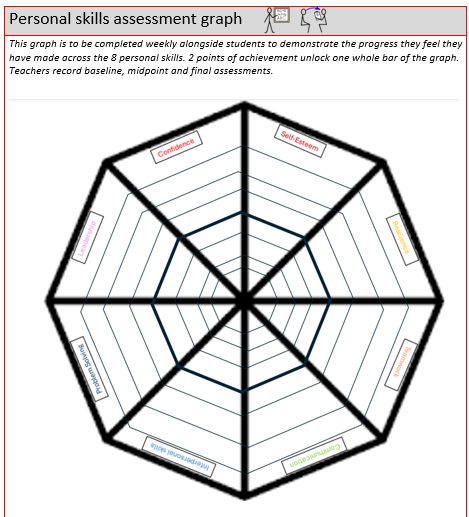
The cultivation of these skills supports the holistic growth of the child, enhancing their ability to understand and manage their place in their school, community and wider world. The development of these skills enables them to navigate the challenges of school, work and relationships more successfully.
Confidence: empowers them to take on new challenges and believe in their abilities.
Teamwork: fosters collaboration and the ability to work more effectively with others.
Communication skills: enables them to express their ideas clearly, facilitating better understanding and relationships.
Problem-solving skills: helps them navigate obstacles and find solutions, enhancing their adaptability.
Self-esteem: builds a positive self-image and encourages self-worth.
Resilience: allows them to bounce back from setbacks and keep a positive outlook.
Inter-personal skills improve interactions and relationships.
Leadership skills: enables them to motivate teams towards a common goal.
Together, these skills create a well-rounded individual capable of thriving in various aspects of life and will support their success in reintegrating back into their mainstream schools.